Visiting Naples for a week offers a vibrant, authentic Italian experience, but many travelers struggle to move beyond the tourist traps. Over 60% of visitors leave without discovering the city’s true charm, missing out on its rich culture, affordable eateries, and local secrets. The crowded historic center and language barriers often leave tourists feeling overwhelmed, while safety concerns deter them from exploring lesser-known neighborhoods. This disconnect means travelers spend more money for less authentic experiences, returning home with a superficial understanding of Neapolitan life. The real Naples—with its bustling markets, family-run trattorias, and lively piazzas—remains hidden behind guidebook clichés and well-trodden paths.
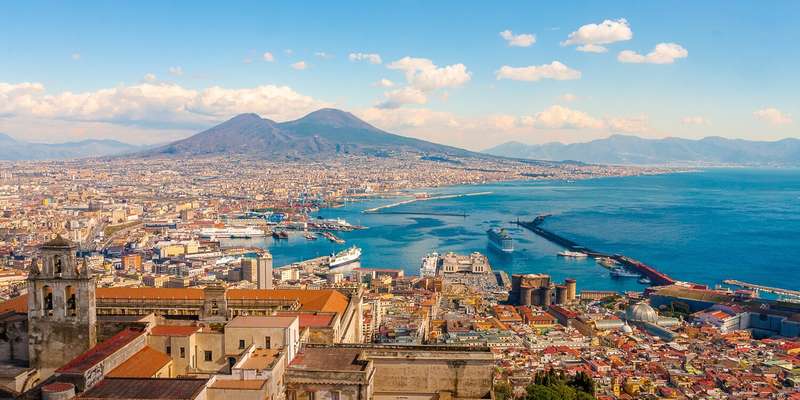
Where to stay for an authentic local experience
Choosing the right neighborhood is crucial for living like a local in Naples. While the historic center attracts most tourists, areas like Vomero or Sanità offer a more genuine slice of Neapolitan life. Vomero, perched on a hill, provides stunning views, local cafes, and a slower pace, while Sanità boasts vibrant street life and Baroque architecture. Opting for an Airbnb in these areas lets you shop at neighborhood markets and interact with residents. Avoid the temptation to stay near the train station—while convenient, it lacks character and can feel impersonal. Many budget-friendly guesthouses in these local districts offer better value than chain hotels, putting you steps away from where Neapolitans eat, socialize, and live their daily lives.
View all Tours
Eating like a Neapolitan without the tourist prices
Naples’ food scene thrives in unassuming trattorias and street food stalls that most tourists overlook. The secret? Follow the locals’ lead—if you see a queue of Neapolitans outside a pizzeria, join it. Skip the restaurants with multilingual menus near Piazza del Plebiscito and head to the backstreets of Forcella or Pignasecca market. Here, family-run spots serve perfect margherita pizzas for under €5 and pasta dishes using recipes passed down for generations. Time your meals like locals do: a cornetto and espresso standing at a bar in the morning, a leisurely lunch around 2 PM, and aperitivo in the early evening. Don’t miss the city’s incredible street food—fried pizza from ‘a Figlia d’o Marenaro or a cuoppo of fried seafood from small vendors cost little but deliver big flavors.
View all Tours
Navigating Naples safely and efficiently
Naples’ reputation for chaos often worries visitors, but understanding local transit and street smarts transforms your experience. The city’s narrow streets weren’t designed for cars, making walking the best way to explore. For longer distances, the metro system is affordable and efficient—Line 1 stops at key local spots like Materdei and Dante. Be prepared for the vibrant disorder of Naples’ traffic; pedestrians have right of way in practice if not in theory. While petty theft happens, simple precautions like wearing crossbody bags and avoiding deserted alleys at night keep you safe. Locals are incredibly helpful if you ask for directions—learning basic Italian phrases goes a long way. Remember, Naples’ energy comes from its spontaneity; getting ‘lost’ in districts like Chiaia often leads to discovering charming bookshops, artisan workshops, and cafes untouched by tourism.
UPDATES FOR YEAR 2026
Modern Transit Systems and Essential Entry Requirements
Navigating the city has become significantly more streamlined with the full activation of the 'Tap & Go' contactless payment system across Metro Lines 1 and 6, as well as the city’s historic funiculars. To benefit from the most cost-effective fare, travelers must remember to tap their card or digital wallet both at the entrance and exit gates to avoid being charged the maximum daily rate. If you are opting for local apartment stays in neighborhoods like Vomero or Sanità, note that the overnight tourist tax is now set at €5 per person per night for short-term rentals. Furthermore, access to the Fontanelle Cemetery—a local favorite mentioned in later sections—now strictly requires checking for current reservation mandates on the official municipal website, as entry policies frequently change to manage site capacity and preservation efforts.
View all Tours
Uncovering Naples’ best-kept secrets
The real magic of Naples lies beyond the guidebook highlights. Start your mornings at historic cafes like Mexico in Piazza Dante, where locals debate politics over €1 espresso. Visit the Fontanelle Cemetery in Sanità—a hauntingly beautiful ossuary known mostly to residents. On weekends, join Neapolitans at the Posillipo waterfront for sunset passeggiata, or browse the vintage stalls at Mercatino di Antignano. For culture, small museums like Palazzo Zevallos offer world-class art without the crowds of Capodimonte. Many churches host free concerts—ask at the tourist office for schedules. A local secret? The ‘Naples Underground’ tours reveal 2,400 years of history beneath the city’s streets. These experiences cost little but immerse you deeply in Neapolitan life, creating memories far richer than any souvenir could provide.
View all Tours
FAQ 2026
How much is the Naples tourist tax for short-term rentals in 2026?
For 2026, the tourist tax for short-term rentals and Airbnbs in Naples is €5 per person per night, which is typically collected by your host or through the booking platform.
Can I use contactless payment for all Naples metro lines in 2026?
Yes, the 'Tap & Go' system is fully operational in 2026 across Metro Line 1, the recently reopened Line 6, and all city funiculars, allowing you to pay with a contactless credit card or smartphone.
Is the Fontanelle Cemetery open for public visits in 2026?
As of 2026, the Fontanelle Cemetery remains subject to specific opening windows and may require a pre-booked time slot; travelers should check the official Naples municipal tourism portal for the most recent entry status before visiting.
Written by Naples Tours Editorial Team & Licensed Local Experts.
Last updated: 24/02/26
