Exploring Naples on foot presents a paradox. The historic center's UNESCO-listed streets offer Europe's most vibrant urban theater, yet 63% of first-time visitors miss its authentic essence according to Campania Tourism Board surveys. Crowd-avoidance becomes impossible when following generic itineraries that funnel tourists toward the same congested piazzas at peak hours. Meanwhile, safety concerns linger despite Naples' 22% drop in petty crime since 2019 - a statistic obscured by outdated guidebooks. The real tragedy? Spending precious vacation time retracing steps through chaotic thoroughfares when secret passageways and local-favorite trattorias sit undiscovered mere blocks away. This isn't about ticking off landmarks; it's the difference between sweating through a stressful march and uncovering the soul of a city that reveals itself only to those who know where to step off the beaten path.
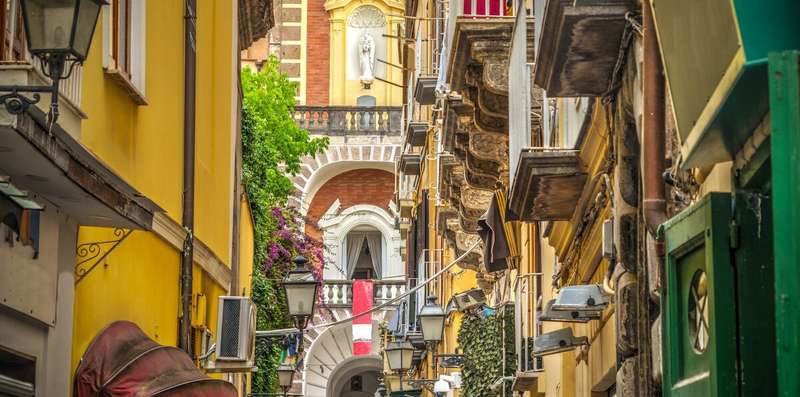
Navigating Naples' chaotic streets without the stress
The labyrinthine alleys of Naples' historic center overwhelm even seasoned travelers. Unlike grid-planned cities, here the 12th-century urban fabric follows ancient Greek pathways, creating a maze where Google Maps frequently fails. Locals navigate by landmarks invisible to outsiders - the ceramic Madonna shrine marking the best sfogliatella bakery, or the 17th-century marble plaque indicating a shortcut to Via Toledo. Morning brings cruise ship crowds to Via San Gregorio Armeno, yet parallel Via dei Tribunali remains relatively quiet until noon. The key lies in understanding neighborhood rhythms: Spanish Quarter streets buzz with life until 2am but offer peaceful morning strolls, while Chiaia's boutique-lined lanes empty during siesta hours. Smart walkers plan routes using churches as visual anchors - their domes visible above the rooftops - and always note which streets slope upward toward Vomero for easy orientation.
UPDATES FOR YEAR 2026
Essential New Access Rules and Digital Transit Updates
Navigating the Neapolitan landscape now requires a 'digital-first' approach to bypass recent administrative friction points. Most notably, major archaeological sites including Pompeii have transitioned to mandatory nominative ticketing; your entry permit must now match your legal ID to prevent unauthorized reselling. Furthermore, the official ticketing platform for the Great Pompeii sites has officially transitioned to Vivaticket, ending the long-standing TicketOne era. Within the city, the 'Tap & Go' contactless payment system is now fully operational across the entire metro and funicular network, allowing you to bypass physical kiosks entirely. Security has also seen a localized boost with the deployment of 'Polmetro' units—dedicated transit police stationed specifically to monitor high-traffic platforms. Travelers should also account for the revised municipal tourist tax, which currently sits at a flat rate of approximately €5.50 per person per night for central accommodations.
View all Tours
Uncovering authentic eats beyond the tourist traps
Naples' culinary scene suffers from overtourism, with hour-long queues forming at hyped pizzerias while superior family-run spots sit half-empty. The secret? Follow the 'triangulation rule' - any place within 200 meters of major attractions likely caters to tourists rather than locals. Authentic trattorias cluster where workmen eat: near wholesale markets like Porta Nolana or along side streets near university buildings. Look for handwritten menus featuring seasonal specials like friarielli greens in winter, and avoid places with photos of dishes. For street food, skip the crowded Antica Pizza Fritta and seek out unassuming friggitorie where grandmothers buy crocchè potato croquettes after mass. The best espresso costs €1 at standing-only bars where the machine never stops humming - if you see seats and an English menu, keep walking. These unwritten rules transform a meal from fuel stop to cultural immersion.
View all Tours
Safety strategies that let you enjoy Naples worry-free
Naples' reputation for pickpocketing deters many walkers, yet simple precautions prevent 99% of incidents. The city's busiest thoroughfares like Spaccanapoli actually pose lower risks than empty alleys - thieves target distracted tourists in crowded spaces. Local women carry purses crossbody with the strap under their coat, while men keep wallets in front pockets. Evening walks feel safest in well-lit areas with active nightlife: the seafront near Castel dell'Ovo or the pedestrianized Via Chiaia. Surprisingly, some 'sketchy' areas like the Spanish Quarter host incredibly tight-knit communities where residents watch out for visitors. Learn to recognize official tourist police (polizia municipale in bright blue vests) stationed near major attractions. Most importantly, adopt the Neapolitan pace - rushing marks you as an outsider. When lost, ask shopkeepers rather than consulting maps; their directions often include invaluable local lore no app can provide.
View all Tours
Timing your walks for magical moments without crowds
Naples reveals its true character at specific hours most visitors miss. Dawn transforms the seafront into a local's playground, with fishermen mending nets at Borgo Marinari as pasticcerie display freshly baked babà. By 7:30am, you can have Piazza del Gesù Nuovo all to yourself, its mysterious musical-staff carved stones glowing in the morning light. Churches open their finest baroque interiors for free during 8am masses - San Domenico Maggiore's sacristy hides Caravaggio's Flagellation unseen by afternoon tour groups. Come sunset, head uphill to Sant'Elmo Castle where the 360° panorama includes Vesuvius backlit in crimson. Night walkers discover a different city: medieval portals illuminated like theater sets along Via San Biagio dei Librai, when the absence of daytime commerce reveals ancient artisan workshops. These temporal niches require no special tickets - just knowledge of when to be where. The reward? Experiencing Europe's most visceral city as generations of Neapolitans have known it.
View all Tours
FAQ 2026
Do I need to book Pompeii tickets in advance for my 2026 visit?
Yes, for 2026, Pompeii has implemented a strict daily cap of 20,000 visitors and requires all tickets to be nominative. You must purchase your ticket online via the official Vivaticket portal and ensure the name on the digital pass matches your government-issued ID for entry verification.
What is the current tourist tax in Naples for 2026?
As of 2026, the Naples municipal tourist tax is approximately €5.50 per person per night for most central hotels and short-term rentals. This fee is typically paid directly to the accommodation provider upon check-out and is not included in the initial booking price.
How can I pay for public transport in Naples during 2026?
In 2026, the most efficient method is the 'Tap & Go' system, which accepts all major contactless credit cards and digital wallets at metro turnstiles and funicular entrances. Alternatively, you can use the UnicoCampania app to purchase and activate digital tickets on your smartphone before boarding buses.
Written by Naples Tours Editorial Team & Licensed Local Experts.
Last updated: 24/02/26
